Quick Answer: Best LED Mask for Anti-Aging 2026
CurrentBody Series 2 - cleared under its own name: the FDA filing lists 633/830nm, and the maker lists extended jaw coverage.
What Wavelengths Actually Work?
Only a handful of wavelengths have strong clinical evidence for skin rejuvenation. We check every mask's published wavelengths against this standard.
Best LED Face Masks 2026
Ranked by published wavelength data, FDA clearance status, and manufacturer specifications.

- FDA 510(k) K250966 filing (model MK-90H): 633nm red and 830nm near-infrared, 220 LEDs (110 each)
- CurrentBody also lists 1072nm deep near-infrared and 236 LEDs; the 1072nm LEDs are not in the 510(k) filing
- Extended jawline & chin coverage
- Manufacturer-commissioned testing (SGS, Eurofins), 8 weeks
- 2-year warranty

- Manufacturer cites published LED photobiomodulation studies
- Flexible silicone
- Fully wireless during use
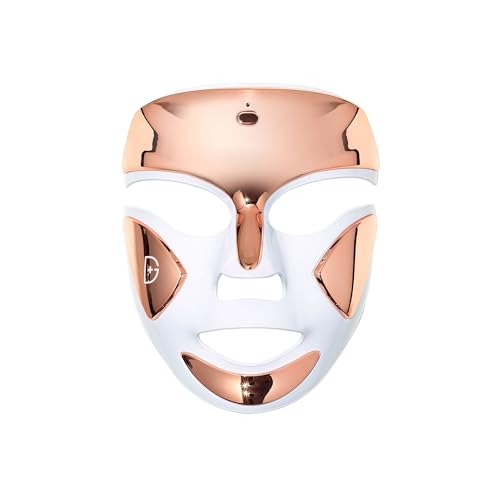
- 3-minute sessions
- 630nm red + 415nm blue
- FSA/HSA eligible in the US
- Hard-shell design, no strap pressure

- 360 LEDs
- Red, near-infrared and blue - only device in this catalog with all three
- Lowest price tier in this catalog

- Handheld for targeted treatment
- Reaches eye and lip areas masks can't
- 3-in-1 (LED + microcurrent + warming)
- Great travel companion

- 6-in-1 technology
- LED + EMS/microcurrent + electroporation
- Excellent for product absorption
- Compact and portable

- 10-minute sessions with automatic shutoff
- Anti-Ageing mode: 3-5x/week for at least 4 weeks
- Anti-Blemish mode: 4 days/week for 6 weeks
- Full face coverage with built-in eye protection
- Cordless, rechargeable; flexible silicone, two adjustable straps
Complete Comparison: All 7 Masks
Every mask we recommend, compared side-by-side.
| Feature | CurrentBody Series 2 | Omnilux Contour Face | Dr. Dennis Gross DRx | iRestore Illumina | INIA Flare | Medicube Booster Pro | MZ Skin LightMax 2.0 |
|---|---|---|---|---|---|---|---|
| Wavelengths | 633nm / 830nm | 633nm / 830nm | 630nm / 415nm | 635nm / 830nm / 415nm | 633nm / 830nm | 630nm | 633nm / 830nm / 415nm |
| LED Count | 220 (FDA filing) | 132 | 160 | 360 | handheld | handheld | - |
| Session Time | 10 min | Not published by manufacturer | 3 min | Not published by manufacturer | 5-10 min | 5-10 min | - |
| Best For | Anti-aging + jaw | Comfort + travel | Acne + busy people | Best value | Targeted areas | Multi-function | - |
| Price Range | $$$ | $$$ | $$ | $ | $$ | $$ | $$$ |
| Wireless | No | Yes | No | No | Yes | Yes | - |
Frequently Asked Questions
Do LED face masks really work?
Yes - for specific wavelengths backed by clinical evidence. 633-660nm red light stimulates collagen, 830-850nm near-infrared supports deeper tissue repair, and 415nm blue light reduces acne bacteria. Results require consistent use 3-5 times per week for 8-12 weeks.
How long until I see results?
Most people notice an immediate glow after the first session. Acne typically responds within 2-4 weeks. Fine lines and firmness improvements build over 8-12 weeks of consistent use. See our results timeline.
Is it safe for melasma or rosacea?
Red and near-infrared light are generally considered safe for both conditions, and may help with rosacea inflammation. However, people prone to melasma or post-inflammatory hyperpigmentation should consult a dermatologist before use, since heat and overuse can occasionally trigger pigmentation. See our full pigmentation guide.
How often should I use an LED mask?
The clinical sweet spot is 3-5 sessions per week. Daily use is safe for most healthy skin but does not produce better results than 3-5 times weekly. See our full frequency guide.